Blog ·
Countertop Materials: Finding the Right Fit for Your Kitchen
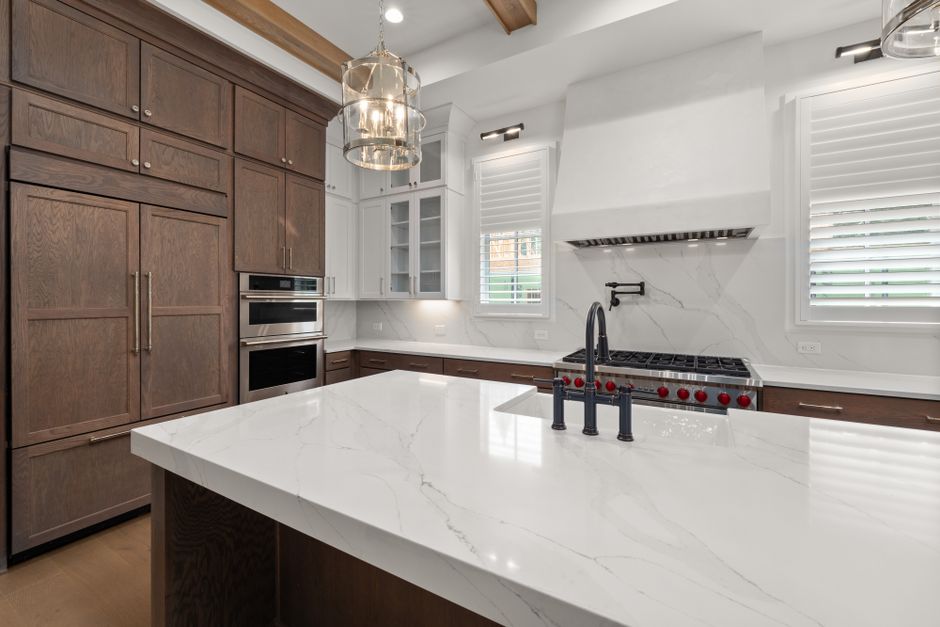
Your kitchen countertops are where the actual cooking happens. They're highly visible, constantly used, and significantly influence your kitchen's overall feel. Selecting the right material means balancing durability, maintenance, appearance, and how it fits your cooking style.
Granite: Natural Beauty and Durability
Granite offers natural variation, unique patterns, and impressive durability. It resists scratches and heat well, making it practical for active kitchens. Granite does require periodic sealing to maintain stain resistance. The natural variation means each installation is unique, which appeals to many homeowners seeking distinctive surfaces.
Quartz: Low-Maintenance and Consistent
Engineered quartz combines crushed stone with resin binders, creating highly durable surfaces. Quartz requires virtually no maintenance—no sealing, no special care. The consistent appearance appeals to those preferring predictable patterns. Quartz is non-porous, making it inherently resistant to stains and bacteria. This makes it particularly practical for busy kitchens.
Butcher Block: Warmth and Workability
Butcher block brings warmth and natural texture to kitchens. It's excellent for food preparation—the surface is gentle on knives and pleasant to work on. Butcher block does require regular maintenance and care. It's vulnerable to water damage and staining. This works well for homeowners who appreciate natural materials and are committed to maintenance.
Laminate: Budget-Friendly and Varied
Modern laminates offer impressive design options at lower cost. They're easy to maintain and resistant to stains. Laminate is vulnerable to heat and sharp impacts, but improvements in manufacturing have strengthened these surfaces significantly. For budget-conscious renovators, quality laminate provides much better performance than older generations.
Concrete: Custom and Industrial
Concrete can be customized with colors and finishes for a truly unique surface. It's durable and heat-resistant. Concrete is porous and requires sealing. It can develop small cracks over time, which some find charming and others prefer to avoid. Concrete works well for those valuing creative individuality over absolute perfection.
Match Material to Your Lifestyle
Consider how you actually use your kitchen. Heavy cooking demands more durable, lower-maintenance surfaces. Casual kitchens can accommodate higher-maintenance materials if you enjoy the maintenance ritual. Large families need impact-resistant surfaces, while smaller households might tolerate more delicate options.
Your countertops support everything you do in the kitchen—choose materials that match both your aesthetic preferences and your real-world needs.